Project Overview
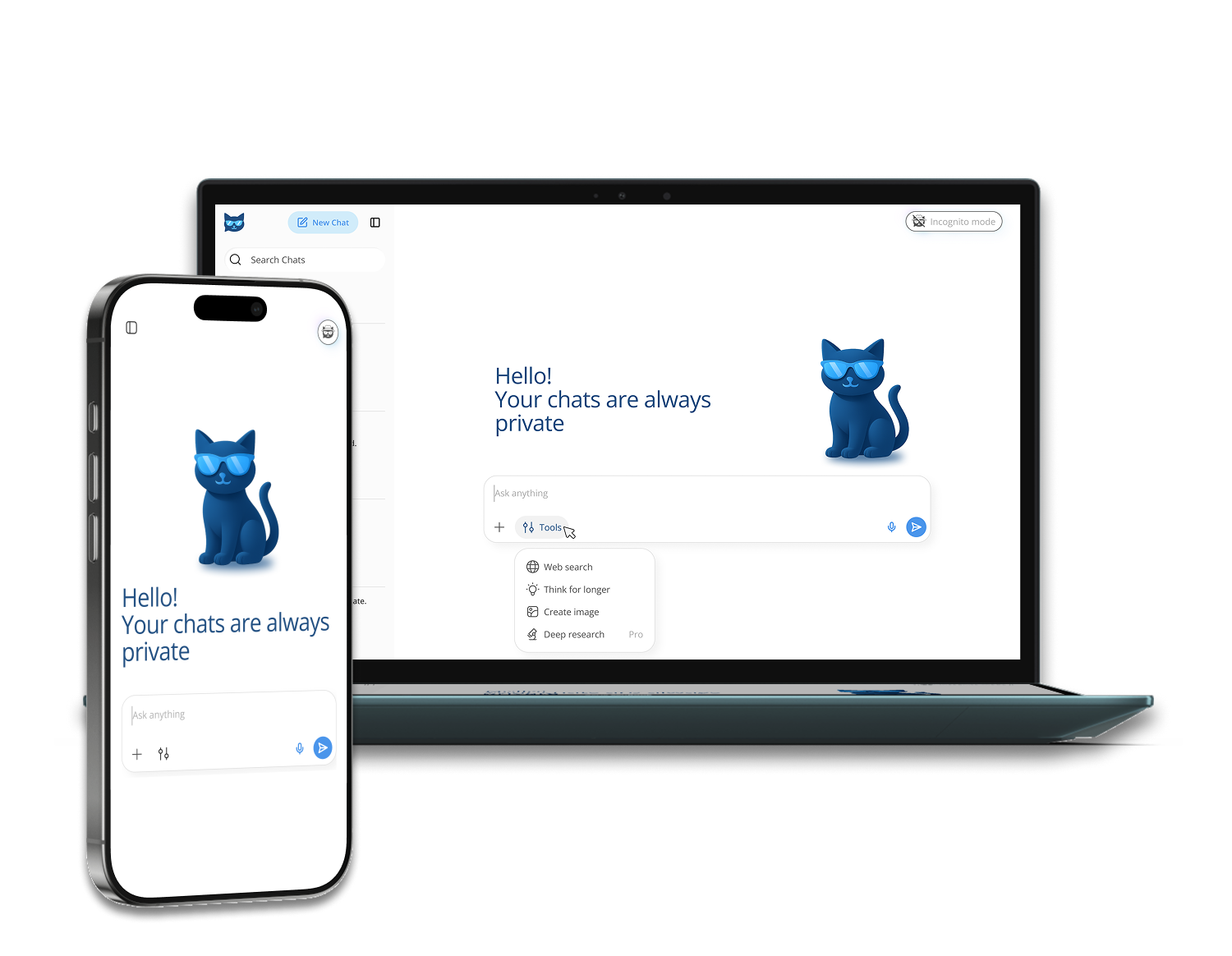
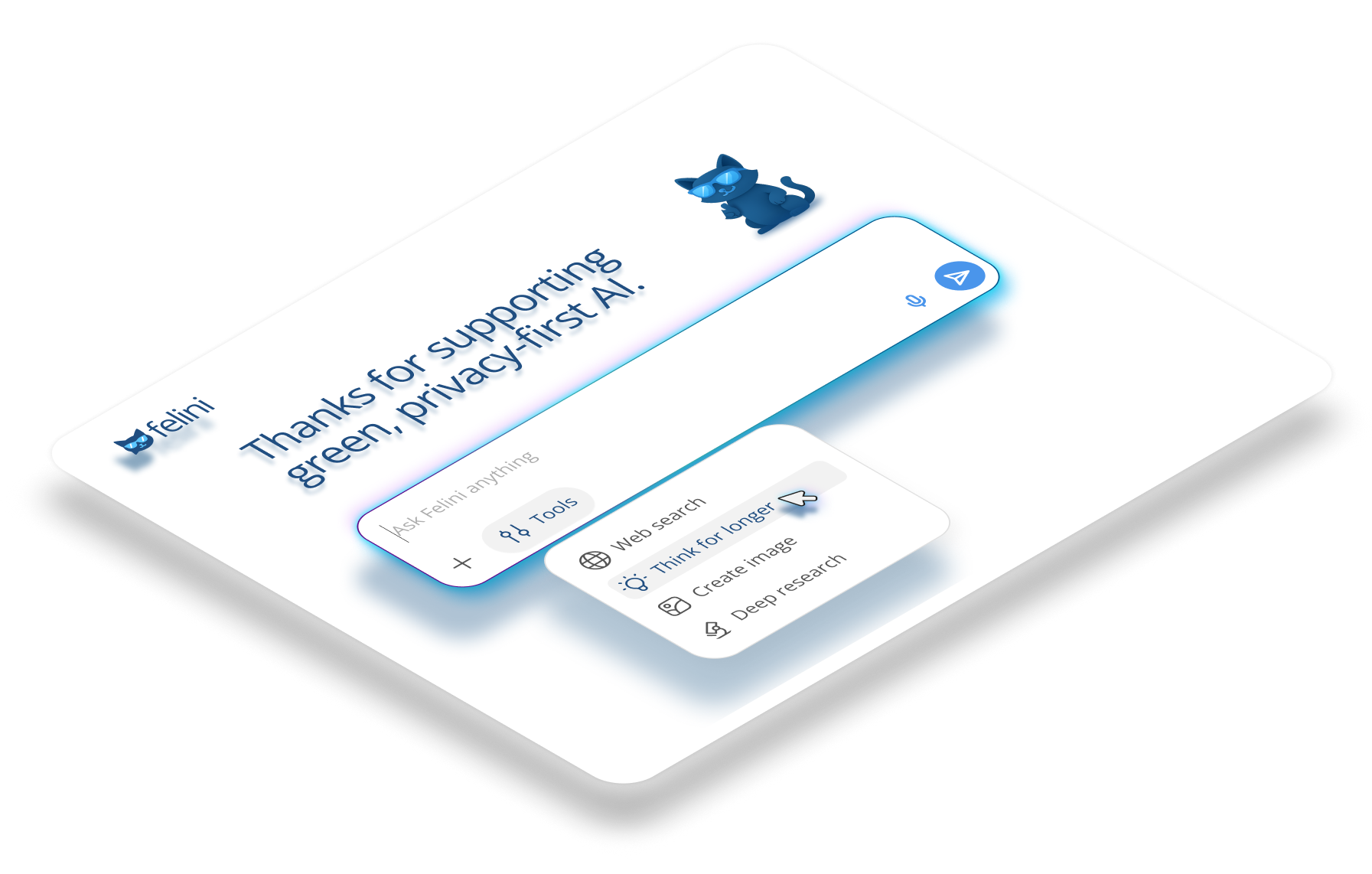
Felini is a privacy-first AI chat application built for a German tech NGO in a non-profit context. It was designed as an ethical alternative to Big Tech AI chat tools, prioritizing trust, clarity, and accessibility while following familiar chat interaction patterns.
Problem
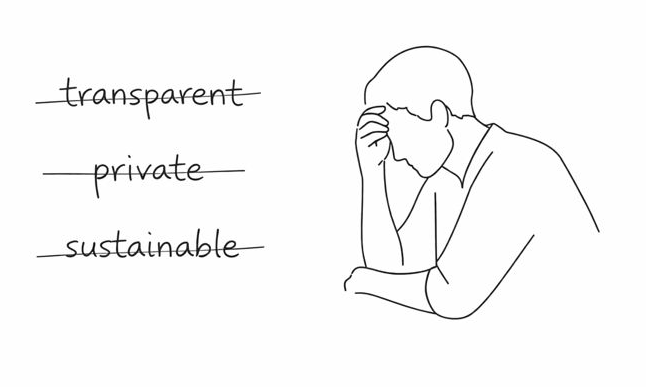
Mainstream AI chat tools often require users to compromise privacy and data control, creating trust barriers for privacy-conscious users.
Solution
A privacy-first AI chat experience focused on ethical positioning, simple UX, and clear communication rather than technical complexity.
Audience
A general, non-technical audience seeking an AI chat tool aligned with privacy, ethical values, and ease of use.
Role
Product Designer / Product Manager. Hybrid role covering product strategy, UX design, and design–development collaboration.
Status
MVP released in 2025. Next focus: adoption and growth through awareness campaigns, trials, and referrals.
Impact (MVP stage)
These figures reflect early improvements observed during the MVP phase, comparing initial concepts and iterations to the current product state. They are indicative of direction rather than final performance metrics.
signup conversion
Improvement from landing page to account creation
onboarding steps
Reduced from 5 to 2 steps to first successful interaction
drop-off reduction
From landing page during early user flow
Context
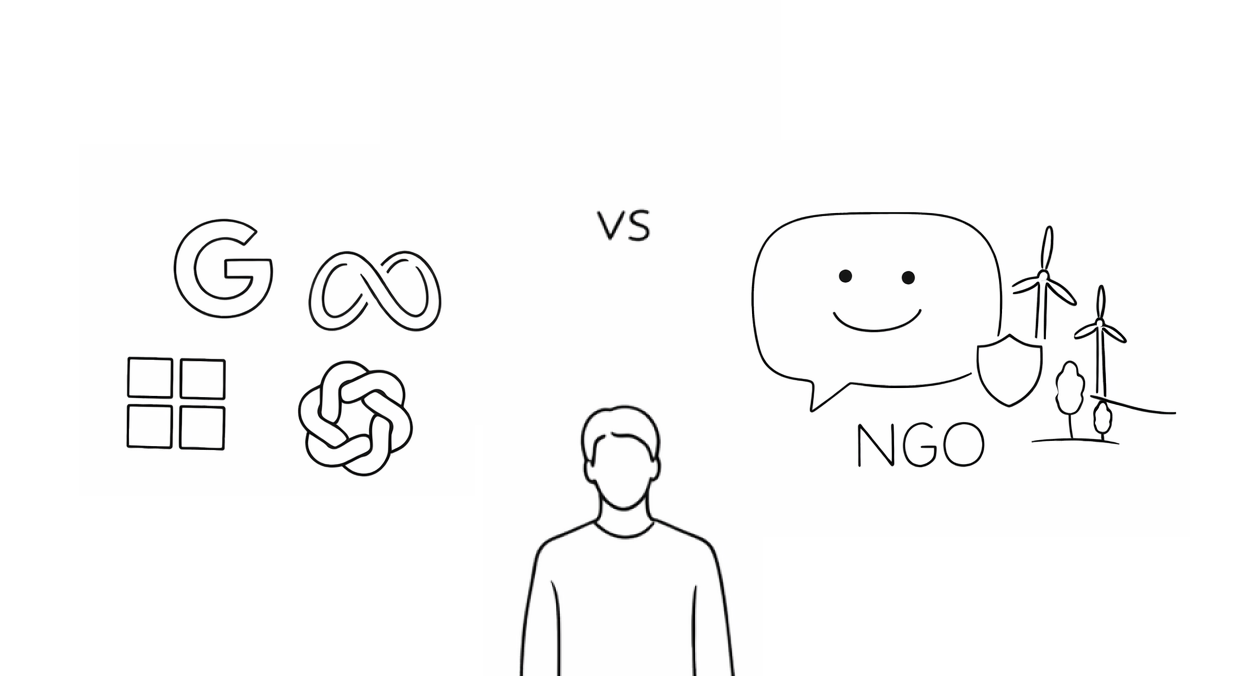
The rapid adoption of AI chat tools has been driven largely by Big Tech platforms with opaque data practices. For privacy-conscious users, this creates tension between usefulness and trust. Felini explores whether a non-profit, privacy-first AI chat product can resonate with users without relying on feature overload or technical novelty.
Problem Definition
Users interested in AI chat tools often lack transparent, privacy-respecting alternatives that remain simple and approachable. In addition to privacy concerns, sustainability is increasingly relevant due to the high energy consumption associated with generative AI, as well as growing discomfort with Big Tech ownership and control. Without careful UX and product decisions, these values risk remaining abstract rather than meaningful to users.
Audience & Needs
Felini targets a general audience, not limited to technical users, who value privacy, ethical technology, sustainability, and independence from Big Tech. Core needs include clear value communication, trustworthy data handling, and a low-friction chat experience that feels familiar and reliable.
Concept & Strategy
Felini is conceived as a values-driven AI chat product where privacy, sustainability, and independence from Big Tech are first-class design constraints. The strategy emphasizes simplicity and restraint: following established chat conventions, avoiding feature overload, and validating whether users actually understand and care about these differentiators.

User Journey
Users arrive at Felini actively seeking a private, sustainable, and non-profit alternative to mainstream AI chat tools. The experience is intentionally intuitive and aligned with existing mental models of how a chat application works, reducing cognitive effort and friction. Within this familiar interaction pattern, Felini surfaces its core values so users can engage confidently without needing to relearn how the product works.
Design Process
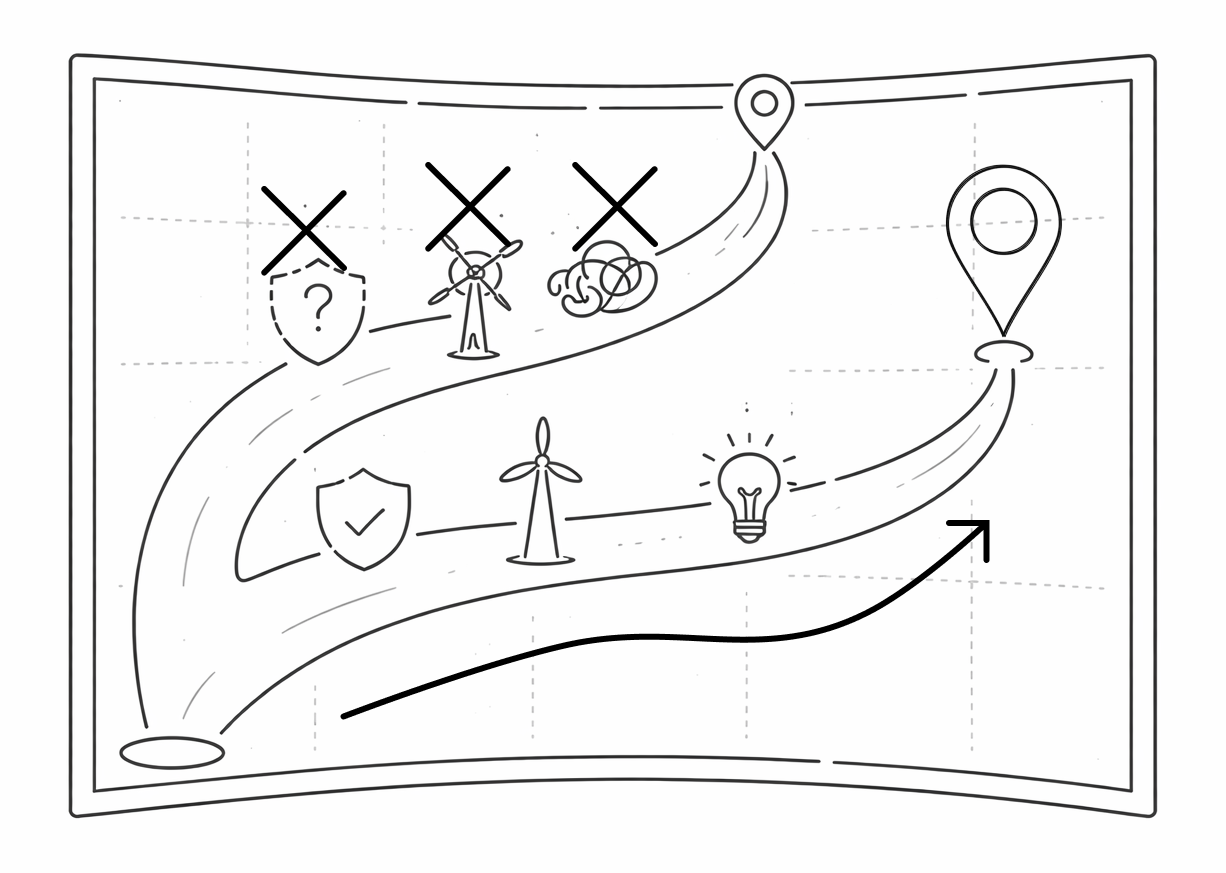
The project combined product strategy, UX/UI design, and close collaboration with developers and stakeholders. Work included problem framing, concept validation, user research planning, and usability testing, as well as defining core flows and building clickable prototypes. Design intent was aligned with implementation through collaboration with frontend and backend developers and data scientists. AI-assisted tools such as Cursor were used to directly implement and iterate on front-end design changes, enabling faster feedback loops.
MVP Scope & Features
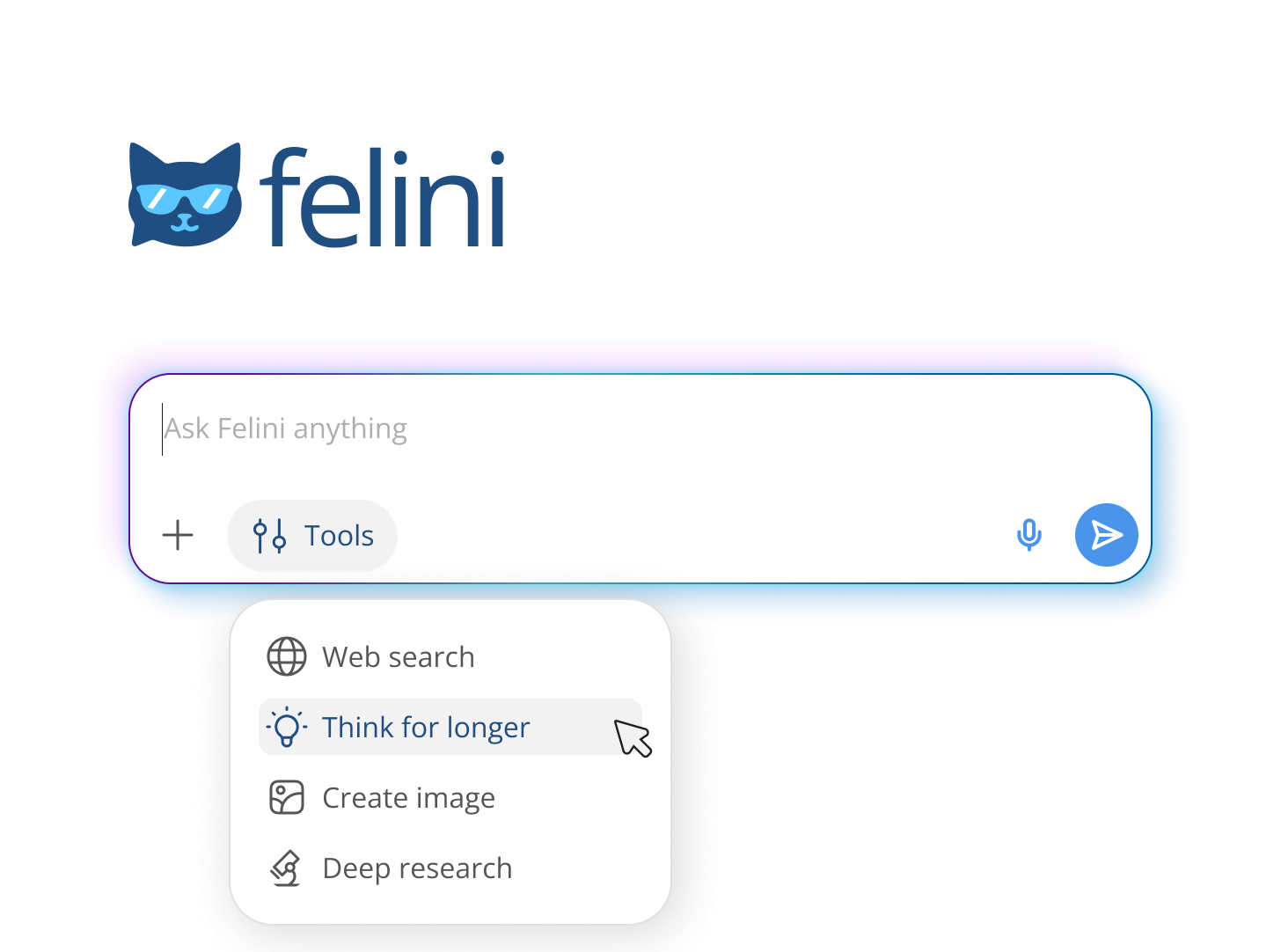
The released MVP includes a web-based AI chat experience built around familiar interaction patterns. Scope includes a conversational chat interface, prompt-based interactions, landing page → chat → signup flows, and a logged-in experience with a Pro trial. The MVP also explores features such as document upload, web search behavior, and image generation entry points, shaped in close collaboration with developers to fit the underlying technical architecture and AI model constraints.
Learnings & Next Steps
Establishing confidence within a familiar chat paradigm requires disciplined UX decisions and careful messaging, especially when values like privacy and sustainability are central to the product. Trust and clarity are design challenges, not just policy or technical ones.
Next steps focus on adoption and growth, including awareness campaigns, generous trial access, referral mechanisms, and partnerships aligned with Felini's ethical positioning.